
What are tactile graphics?
Tactile graphics, or raised line drawings are images designed to be explored by touch. They convey non-textual information to people who are blind or have low vision and help them navigate through a highly visual world.
How do you create tactile graphics?
There are many things to consider when making a tactile diagram, and it can take a lot of practice to get it right. It is important to remember that a symbol which is visually clear may have no value as a tactile symbol to a blind person. Because tactile information is processed from detail to whole, it takes time and experience to learn how to easily use tactile graphics.
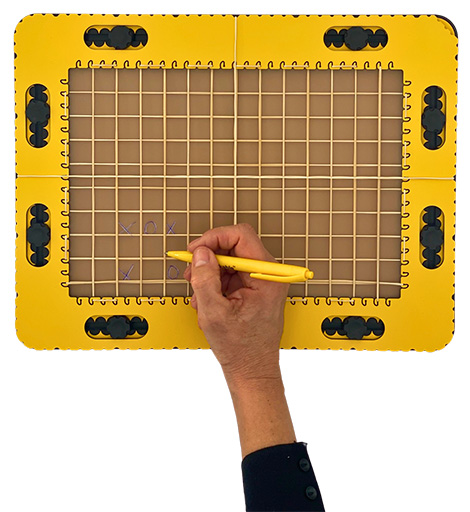
There are many different ways to create tactile graphics. You can create raised line drawings in aluminium foil or on special plastic foil with a pen. You can also use swell paper and a tactile graphics machine, or a braille embosser. You can use glue and woollen threads. On our TactiPad, you can create tactile graphics on special plastic foil with a regular pen.
More information on tactile graphics
You can find more information on tactile graphics and why they are so important for VIPs (visually impaired persons) on 10 things to know about tactile graphics.
Other resources:
Webcast about strategies for teaching students to read tactile graphics (by Lucia Hasty)
teaching tactile graphics
About learning to read tactile graphics (by Carmen Willings)
tactile graphics instructions
Guidelines for designing tactile graphics (from Texas School for the Blind and Visually Impaired)
basic principles preparing tactile graphics